
 Pin it
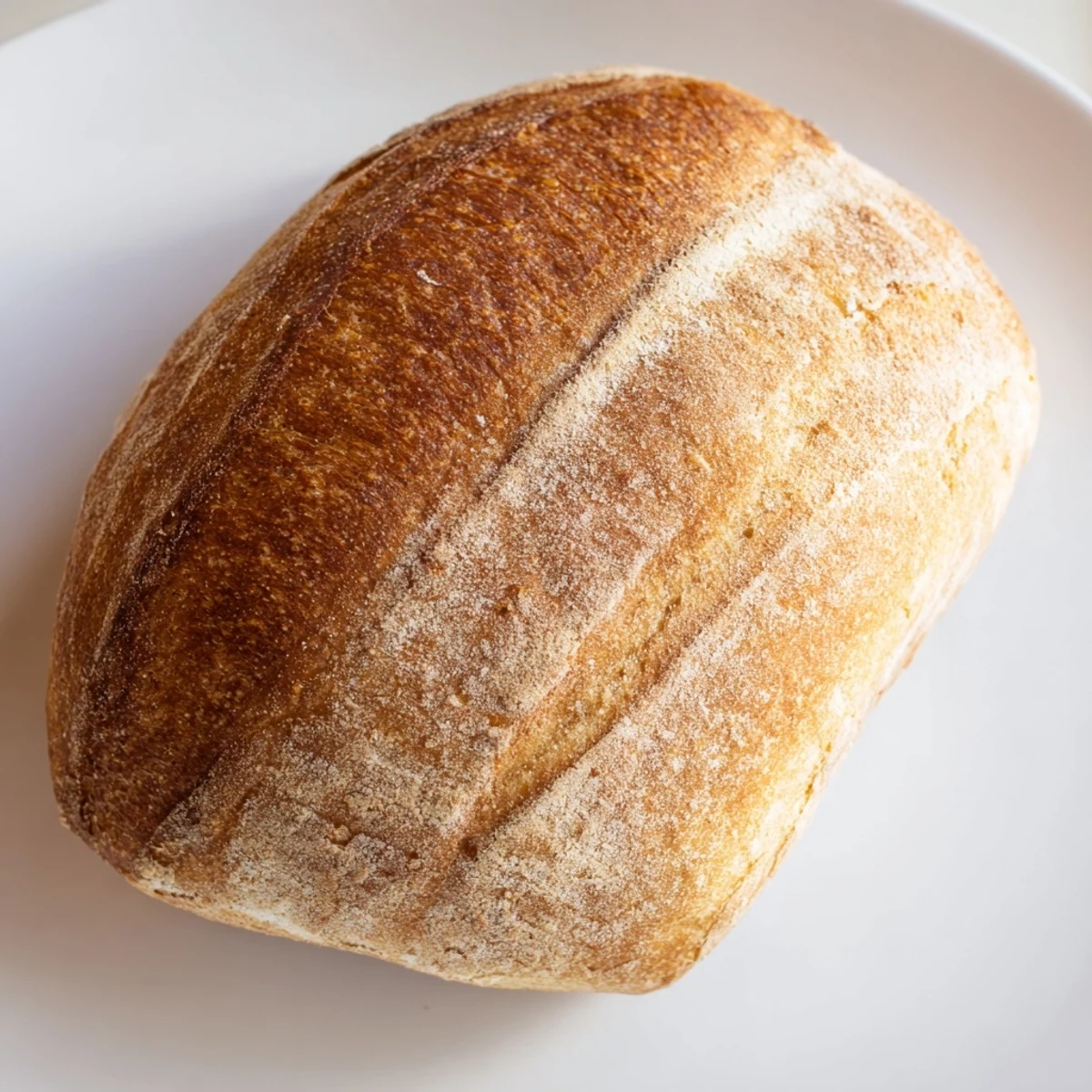
 This traditional Italian loaf delivers the perfect balance of textures—a shattering golden crust giving way to a tender, chewy interior that's ideal for sopping up sauces or dipping in quality olive oil. The steam-baking technique creates that bakery-worthy crackle, while simple pantry staples yield bakery results in just three hours including rising time.
The dough develops beautifully through two rises, producing those signature air pockets and elastic crumb. Score the top before baking for that professional appearance, and don't skip the water bath step—it's the secret to an irresistibly crisp crust.
My tiny apartment kitchen had this one window that caught afternoon light perfect for checking dough temperature. I started making bread during a winter when going out felt like too much effort, and something about the rhythm of kneading became meditation I didn't know I needed.
That first loaf came out dense because I was too impatient with the rise. Now I set a timer and actually leave the room. My roommate started asking when bread day was, and somehow that became our每周 ritual.
Ingredients
- Bread flour: Higher protein content than all purpose gives this bread its signature chew
- Active dry yeast: Dissolving it first with sugar wakes it up properly
- Warm water: Keep it around body temperature, anything hot kills the yeast
- Olive oil: Keeps the crumb tender and adds subtle flavor
- Salt: Do not add this directly to the yeast mixture or it inhibits fermentation
Instructions
- Wake up the yeast:
- Dissolve yeast and sugar in warm water and wait until it looks foamy on top
- Mix the dough:
- Combine flour and salt in a large bowl then add the yeast mixture and olive oil until shaggy
- Knead it:
- Turn onto floured surface and work for 8 minutes until smooth and springs back when poked
- First rise:
- Place dough in oiled bowl, cover, and let double in size somewhere warm
- Shape the loaf:
- Punch down gently, form into tight oval or round, and place on prepared baking sheet
- Second rise:
- Cover loosely and let rest 45 minutes until puffy again
- Preheat with steam pan:
- Heat oven to 425°F with empty metal pan on bottom rack
- Score and bake:
- Slash top with sharp knife, pour hot water in bottom pan, then bake 30 minutes until golden
- Cool completely:
- Let rest on wire rack or the inside will be gummy when you slice it
 Pin it
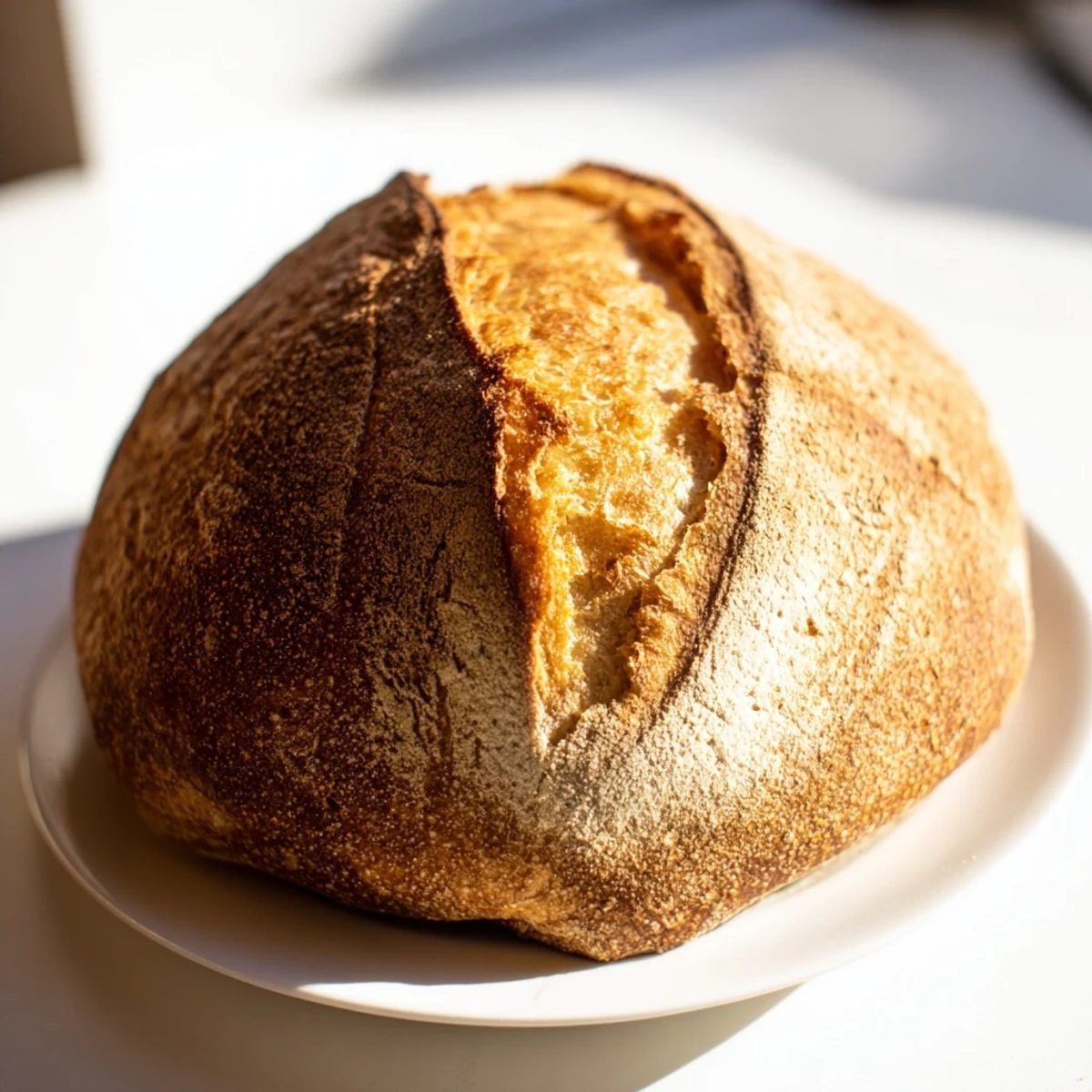
 We sliced this warm one night with olive oil someone had brought back from Italy and suddenly my cramped kitchen felt like a European café. Some foods just transport you.
Getting That Perfect Crust
The steam pan technique sounds unnecessary but it is what transforms home baked bread into something that looks professionally made. I tried skipping it once and noticed immediately.
Flavor Variations
Dried herbs mixed into the dough turn simple bread into something extraordinary. Rosemary and garlic have become my go to for dinner parties.
Make Ahead Strategy
This bread freezes beautifully once cooled completely. I slice before freezing so I can grab exactly what I need without thawing the whole loaf.
- Wrap frozen slices in parchment before reheating
- Refresh day old bread in a 350°F oven for 5 minutes
- Stale bread makes excellent croutons or breadcrumbs
 Pin it
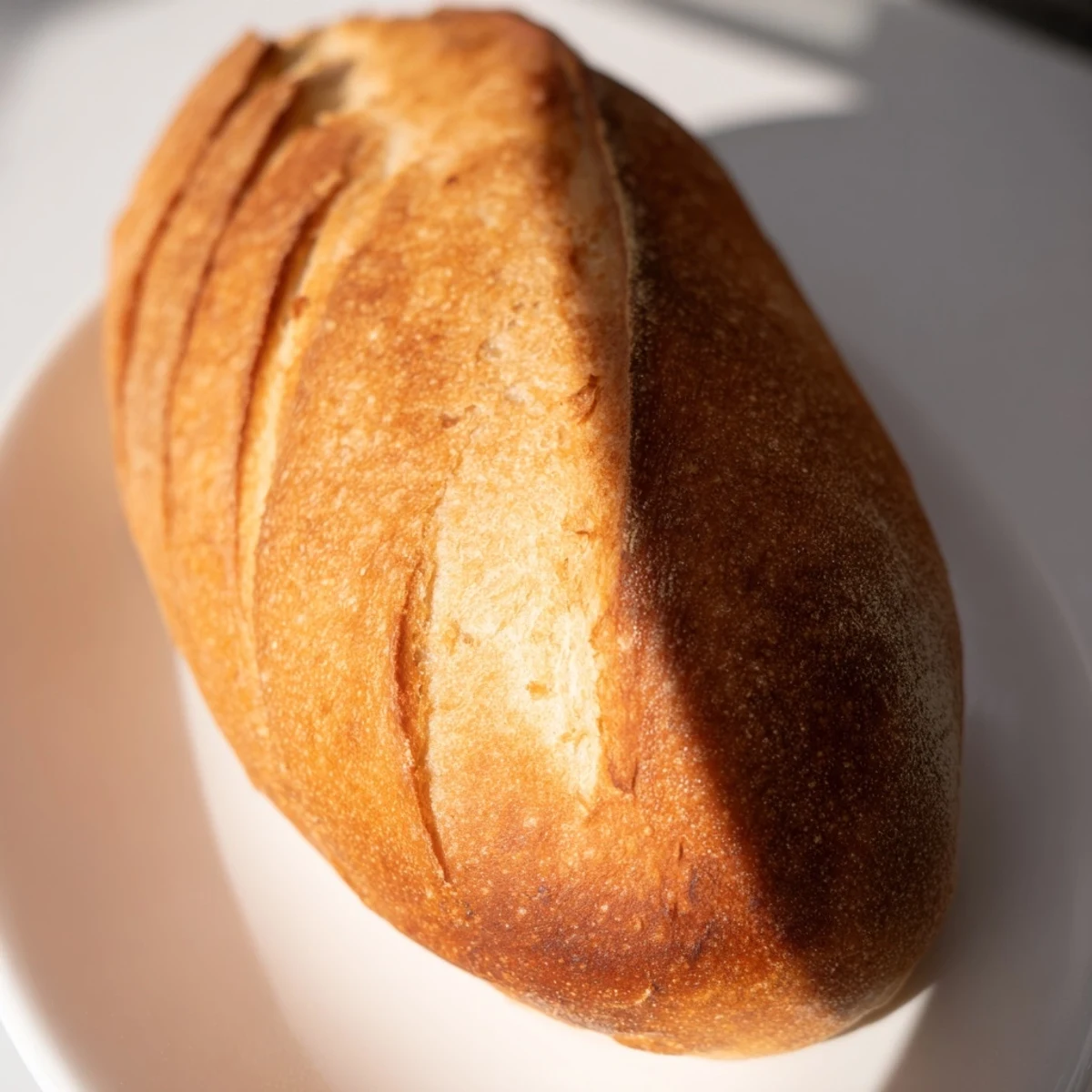
 Nothing beats tearing into a homemade loaf while it is still slightly warm. There is something primal about bread that connects us.
Recipe Q&A
- → What makes Italian bread crusty?
-
The steam created by pouring hot water into the preheated pan creates a moist oven environment, allowing the crust to develop slowly and become crisp and golden. This technique mirrors professional bread ovens.
- → Can I make this bread without a stand mixer?
-
Absolutely. Hand-kneading works beautifully—just expect to spend 8-10 minutes developing the gluten structure until the dough feels smooth and elastic. The tactile method helps you understand proper dough consistency.
- → Why does the dough need to rise twice?
-
The first rise builds structure and develops flavor through fermentation. The second rise, after shaping, creates the loaf's final texture and volume. Both rests are essential for that authentic chewy interior.
- → How do I know when the bread is done baking?
-
Look for a deep golden-brown color. The most reliable test is tapping the bottom—if it sounds hollow, the interior is properly baked. An instant thermometer should read 200°F at the center.
- → Can I freeze this Italian bread?
-
Yes, freeze completely cooled slices in airtight bags for up to three months. Thaw individual slices at room temperature or refresh them in a 350°F oven for 5-8 minutes to restore crispness.
- → What's the purpose of scoring the bread before baking?
-
Scoring creates controlled weak points that allow the dough to expand properly during baking. This prevents unsightly tearing and gives the loaf that classic artisan appearance while promoting even oven spring.