
 Pin it
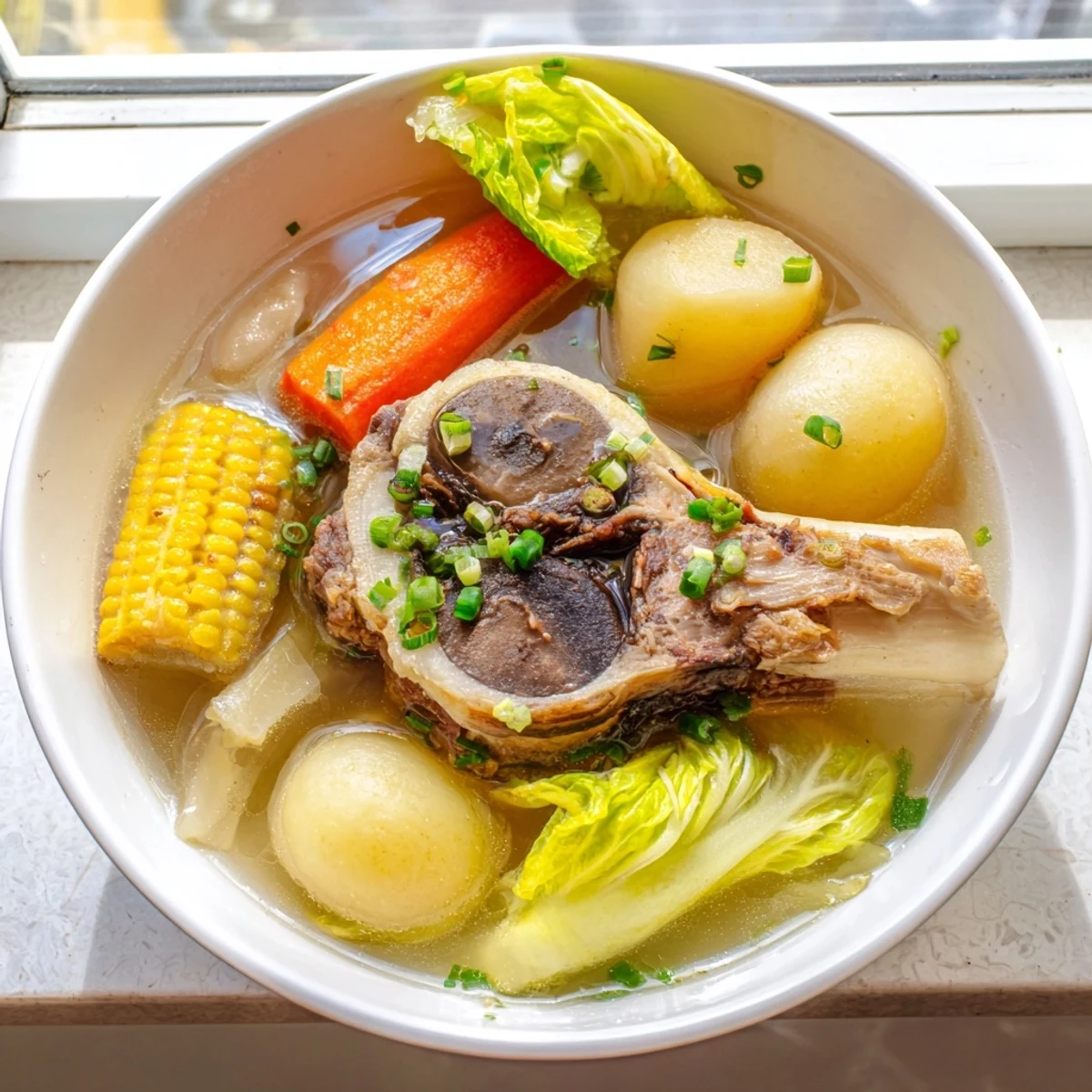
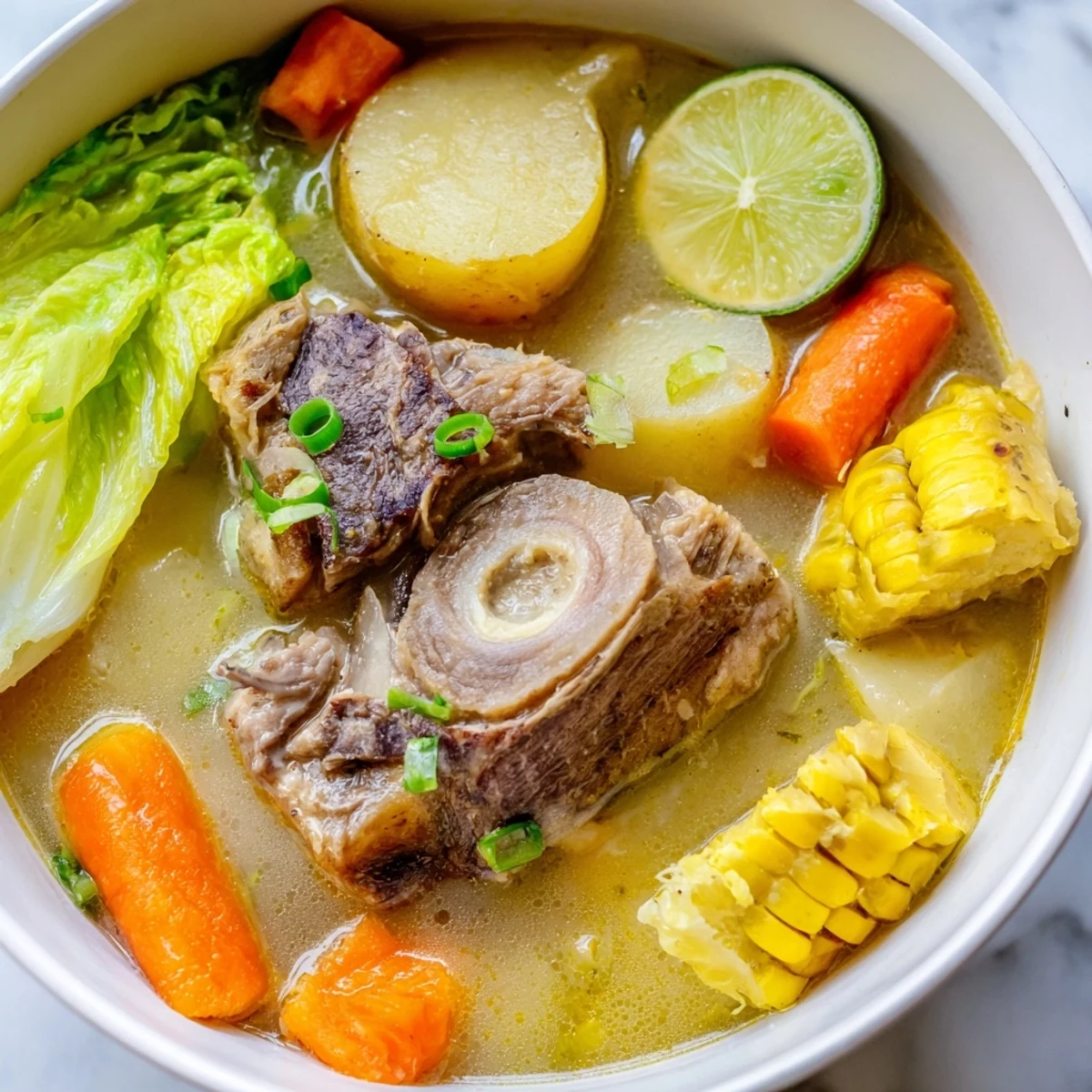
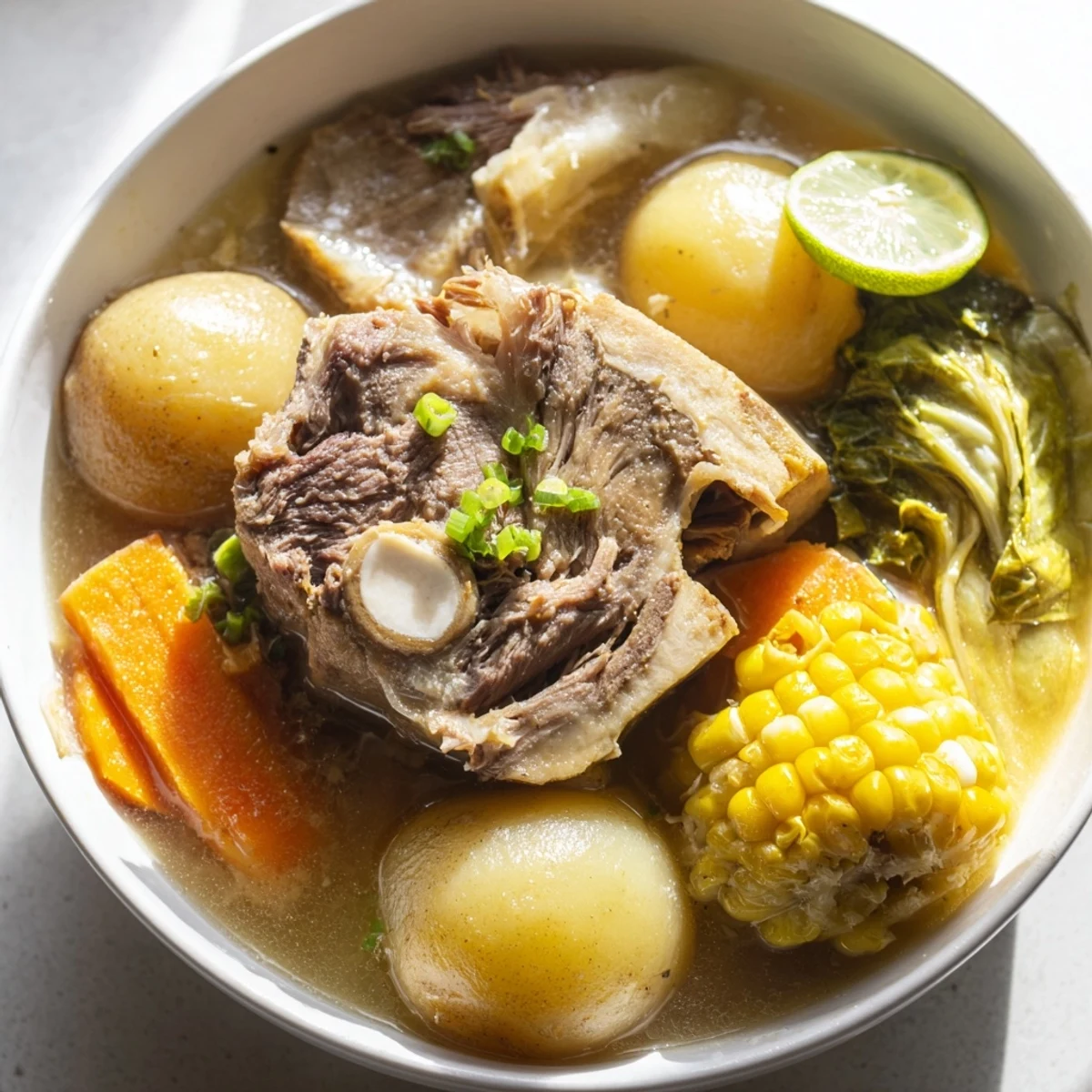
 Bulalo is a cherished Filipino soup that transforms tough beef shank and nutrient-rich bone marrow into meltingly tender goodness through slow simmering. The clear broth develops deep beefy flavors enhanced by whole peppercorns and fish sauce, while corn, potatoes, carrots, green beans, and napa cabbage add sweetness and texture. Saba bananas provide subtle sweetness that balances the savory elements. Best enjoyed piping hot with steamed jasmine rice and fresh calamansi for brightness.
My lola would start this soup at dawn, letting it simmer until the whole house smelled like comfort and home. I remember standing on a stool by the stove, watching the broth turn from cloudy to perfectly clear as she patiently skimmed away every bit of impurity. Now whenever rain hits the roof on a Sunday afternoon, my hands automatically reach for beef shank and I know exactly what's cooking tonight.
Last Christmas Eve, my uncle flew in from Manila and immediately asked if I had bulalo on the stove. We sat around the table for three hours, squeezing fresh calamansi into our bowls, fighting over who got the marrow-rich bones, and telling stories we'd told a dozen times before. That's when I understood this soup isn't just food it's an excuse to gather and stay awhile.
Ingredients
- 1.5 kg beef shank bone-in with marrow: This cut is essential because the marrow slowly melts into the broth creating that signature rich flavor and velvety texture
- 500 g beef bone marrow bones: Optional but worth every extra minute of cooking time for the depth they add to the soup
- 2 ears corn cut into pieces: Natural sweetness that balances the savory beef and reminds me of childhood summers
- 1 medium onion quartered: Aromatics that build the foundation of the broth without overpowering anything
- 1 medium carrot in chunks: Adds subtle sweetness and beautiful color to the bowl
- 250 g baby potatoes halved: They soak up all that glorious broth and become little flavor bombs
- 1 small head napa cabbage: Last-minute addition that brings freshness and texture to every spoonful
- 1 bunch green beans trimmed: For that perfect crunch contrast against the tender beef
- 2-3 saba bananas peeled and halved: The secret Filipino ingredient that adds gentle sweetness and makes this distinctly ours
- 10 cups water: Enough to keep everything happily submerged while it transforms into soup
- 1 tablespoon whole black peppercorns: Warm spice that cuts through the richness
- 2 tablespoons fish sauce: The umami backbone that makes Filipino soups sing
- Salt to taste: Final seasoning to make everything pop
- Chopped scallions and calamansi wedges: Fresh garnishes that brighten each bowl right before eating
Instructions
- Start the broth right:
- Place your beef shank and marrow bones in a large pot, cover completely with water, and bring everything to a rolling boil over high heat. Watch carefully as gray foam rises to the top and skim it all away patiently this is the secret to a crystal-clear broth.
- Let it simmer slowly:
- Reduce heat to a gentle bubble, then drop in your onion, peppercorns, and fish sauce. Cover and let it cook undisturbed for 2 hours until the beef yields easily to a fork and your kitchen smells incredible.
- Add the hearty vegetables:
- Toss in potatoes and carrots first, giving them about 10 minutes to start softening in that flavorful broth.
- Add more vegetables:
- Drop in corn, plantain slices, and green beans, cooking for another 10 minutes until they're tender but still holding their shape.
- Finish with cabbage:
- Stir in the napa cabbage last, cooking just until it wilts, about 2 to 3 minutes, so it stays vibrant and fresh.
- Taste and adjust:
- Dip a spoon in and taste your broth, adding more salt or fish sauce until it's exactly how you like it.
- Serve it up:
- Ladle hot soup into bowls, scatter fresh scallions on top, and serve with calamansi wedges for squeezing at the table.
 Pin it
 My daughter asked why we save the bones for last, and I showed her how to scoop out that melting marrow with a spoon, explaining it's the most precious part. Her eyes widened at the first bite and suddenly I saw three generations of love sitting at our table, connected through something as simple as soup.
Getting That Clear Broth
After years of making bulalo, I learned that parboiling the beef for 5 minutes, discarding that water, and starting fresh gives you the clearest broth imaginable. It feels wasteful the first time you do it but one look at that pristine golden soup and you'll understand why Lola never skipped this step.
Making It Ahead
This soup actually tastes better the next day, which is why I always double the batch. Let it cool completely, refrigerate overnight, and skim off the hardened fat before reheating. The flavors have time to marry and deepen into something extraordinary.
The Perfect Rice Pairing
Steaming jasmine rice is the traditional companion and for good reason. Each spoonful of broth soaks into the rice, creating little flavor pockets that make both dishes better together. Just make sure your rice is ready when the soup is done because nobody should wait to eat this.
- Set out small bowls of fish sauce at the table so everyone can adjust their own serving
- Keep some extra calamansi handy for those who love an extra squeeze of acidity
- Have marrow spoons ready if your guests know the good stuff when they see it
 Pin it
 There's something profound about a soup that demands time and patience, feeding you long before it reaches the table. May your kitchen smell like comfort and your table always be full.
Recipe Q&A
- → What makes bulalo different from other beef soups?
-
Bulalo specifically uses beef shank bones with marrow intact, creating a uniquely rich and gelatinous broth. The marrow melts into the liquid, adding body and depth that typical beef soups lack. The combination of clear broth with vegetables like corn and plantain bananas also sets it apart from heavier, creamier beef soups.
- → How long does it take to cook bulalo?
-
Plan for approximately 2 hours and 30 minutes of simmering time to achieve fork-tender beef. The slow cooking process is essential for breaking down the connective tissue in the shank and releasing the marrow's richness into the broth. Rushing this step will result in tough meat and less flavorful soup.
- → Can I make bulalo in a pressure cooker?
-
Yes, a pressure cooker significantly reduces cooking time. Cook the beef shank with aromatics under high pressure for 45-60 minutes, then release naturally. Add vegetables afterward and simmer briefly until tender. However, traditional slow simmering yields a clearer, more developed broth flavor.
- → What vegetables are essential for authentic bulalo?
-
Core vegetables include corn on the cob cut into rounds, baby potatoes, carrots, napa cabbage, and green beans. Saba bananas (plantains) are traditional and add subtle sweetness. The cabbage should be added last to maintain its texture and vibrant color.
- → How do I get a clearer broth?
-
Parboil the beef shank for 5 minutes, discard the water, and rinse the meat before starting the actual soup. This initial step removes impurities that cloud the broth. Skim any scum that rises to the surface during simmering for the clearest results.
- → What's traditionally served with bulalo?
-
Steamed jasmine rice is the classic accompaniment. Fresh calamansi wedges are essential for squeezing into the hot soup, adding brightness that cuts through the richness. Some also enjoy it with a side of patis (fish sauce) or soy sauce for additional seasoning at the table.