
 Pin it
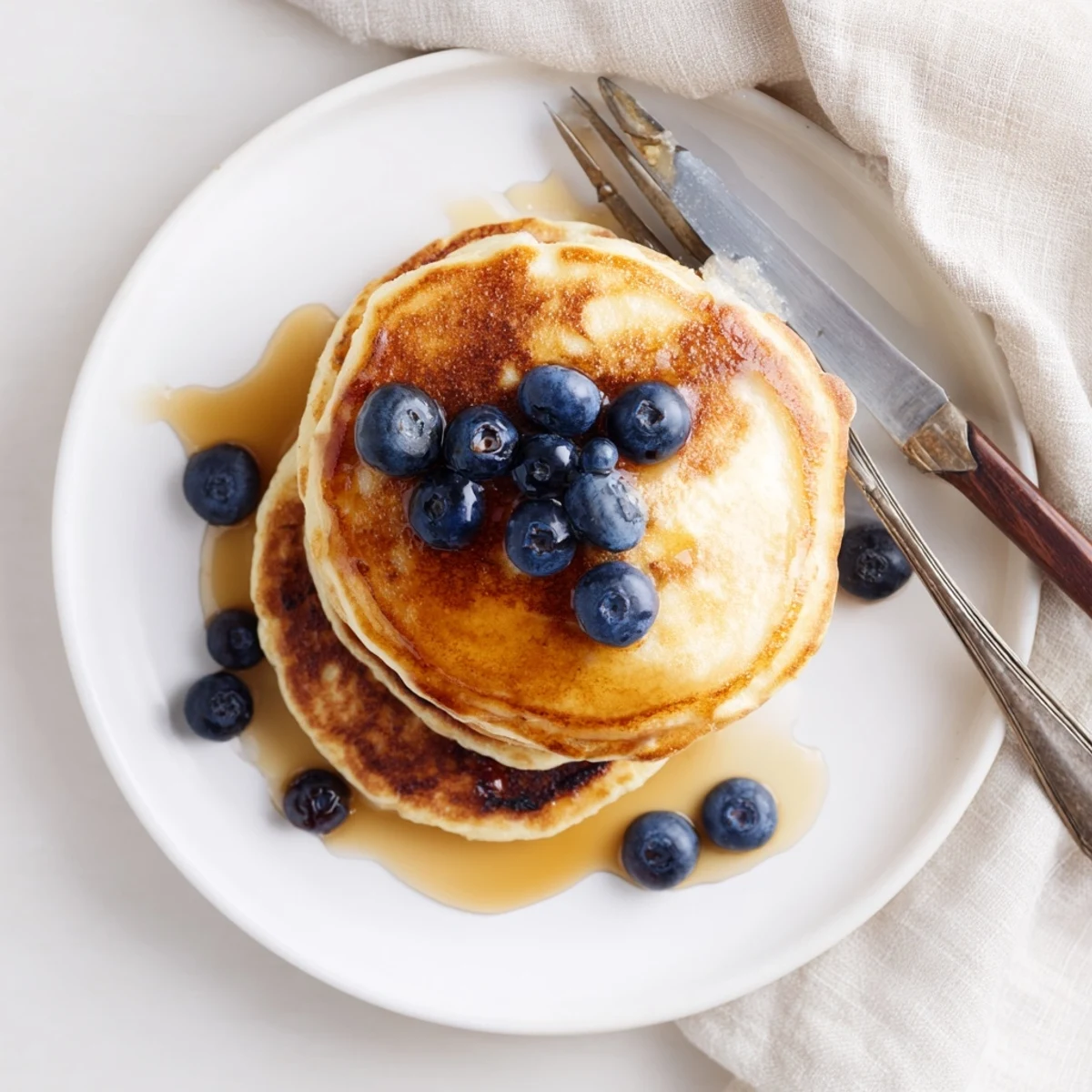
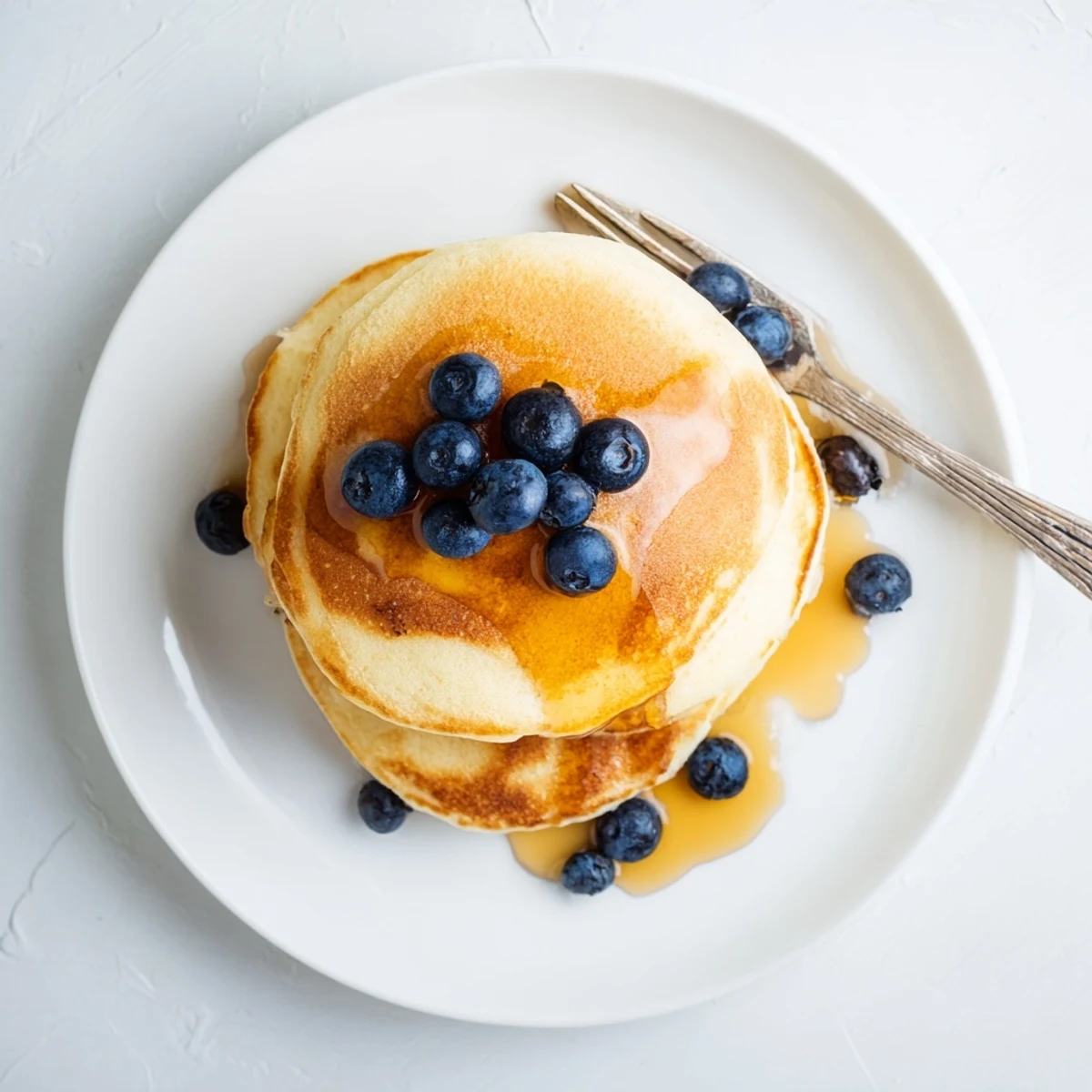
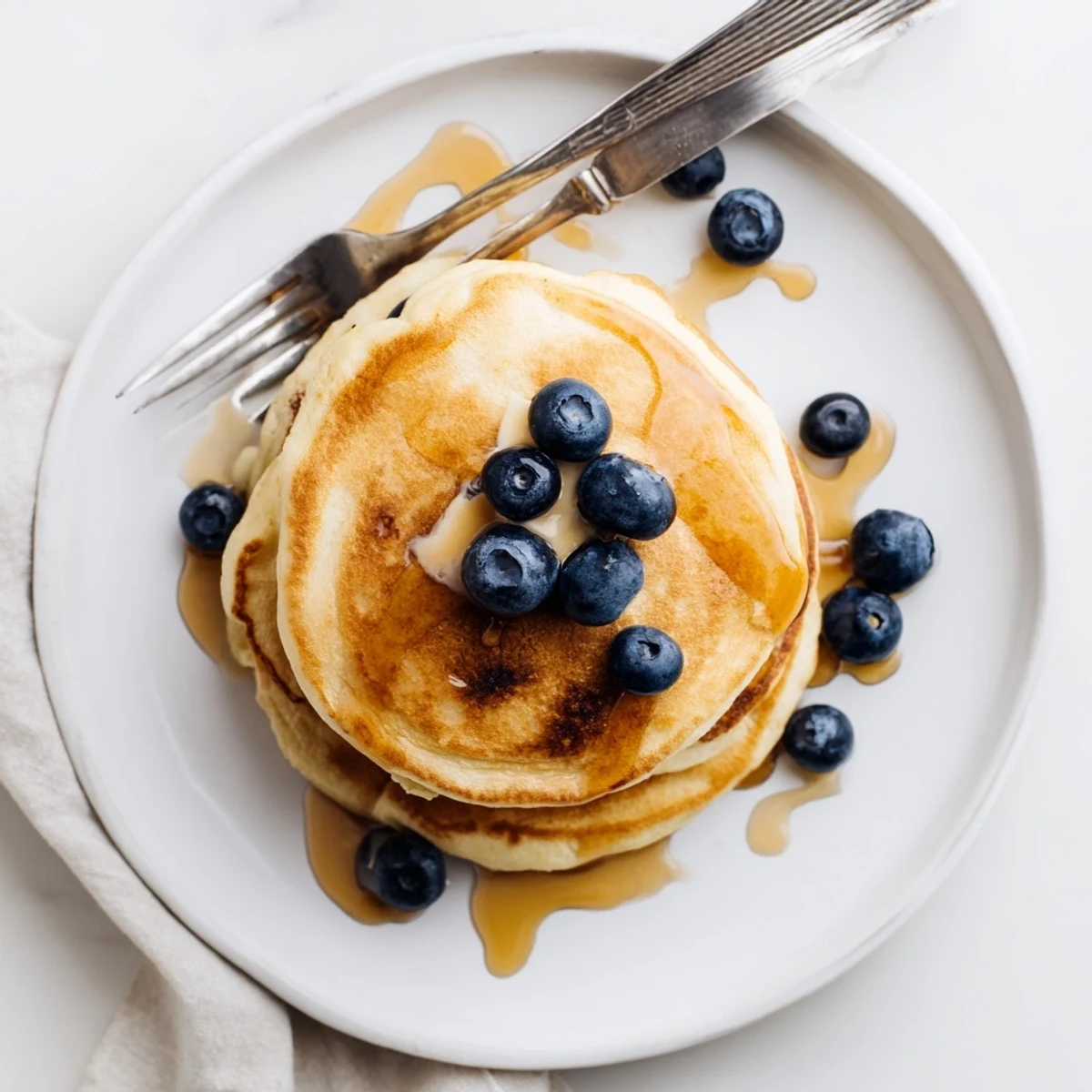
 Create perfectly fluffy pancakes with a golden exterior and soft, tender inside. These American-style classics come together in just 25 minutes, using simple pantry staples like flour, milk, eggs, and butter. The secret lies in gently mixing the batter until just combined—those small lumps ensure maximum lightness. Let the mixture rest briefly for extra lift, then cook on a hot griddle until bubbles form and edges set. Flip once for that beautiful golden-brown finish.
Serve warm with traditional maple syrup, fresh berries, or whipped cream. For variations, try adding blueberries or chocolate chips to the batter, or swap regular milk for buttermilk to add a subtle tang. Complete your meal with crispy bacon or sausage for a hearty breakfast spread that's sure to become a family favorite.
The kitchen was still dark when my teenage daughter shuffled in, sleepily requesting pancakes for her birthday breakfast. I had always been the boxed mix kind of cook until that morning, when I decided to attempt something from scratch. The first batch came out tough and rubbery, a disappointing start to a special day, but something about the simple ritual of mixing flour and milk stuck with me. Six years and hundreds of Sunday mornings later, this recipe has become our family's weekend anthem, requested more often than any fancy brunch spot in town.
Last winter, during that endless week of snow days when we were all stir crazy indoors, we made three batches in one day. The kids took turns flipping, and we discovered that chocolate chips dropped into the pancakes right after pouring creates this melted pool of chocolate that stays gooey for hours. My neighbor smelled them from across the street and showed up with her own maple syrup, starting what became our impromptu pancake party tradition.
Ingredients
- 1 1/2 cups all purpose flour: The foundation that gives structure without weighing down the delicate crumb
- 3 1/2 tsp baking powder: This generous amount is what creates those impressive height and air pockets
- 1/2 tsp salt: Just enough to balance sweetness and enhance the vanilla's natural warmth
- 1 tbsp granulated sugar: Helps with browning and adds a subtle sweetness that complements toppings
- 1 1/4 cups whole milk: Creates richness and contributes to the tender texture we're after
- 1 large egg: Provides structure and helps bind everything together beautifully
- 3 tbsp unsalted butter, melted: Adds flavor and keeps the pancakes moist without greasiness
- 1 tsp vanilla extract: Pure vanilla makes the kitchen smell incredible and rounds out the flavor profile
- Butter or oil for cooking: Creates that irresistible golden crust and prevents sticking
Instructions
- Whisk the dry ingredients together:
- In a large mixing bowl, combine the flour, baking powder, salt, and sugar until everything is evenly distributed and no clumps remain.
- Mix the wet ingredients separately:
- In another bowl, whisk together the milk, egg, melted butter, and vanilla extract until the mixture is completely smooth and uniform.
- Combine with a light touch:
- Pour the wet ingredients into the dry mixture and gently fold until just combined, leaving some small lumps intact. The batter should look slightly thick and rustic, not perfectly smooth.
- Preheat your cooking surface:
- Heat a non stick skillet or griddle over medium heat until a drop of water sizzles gently, then lightly butter or oil the surface.
- Cook the first side:
- Pour about 1/4 cup of batter per pancake onto the skillet and let cook undisturbed until bubbles form across the surface and edges appear set, approximately 2 minutes.
- Flip and finish cooking:
- Carefully flip each pancake and cook for 1 to 2 minutes longer until golden brown on the second side and cooked completely through.
- Repeat and serve immediately:
- Continue with remaining batter, greasing the pan between batches as needed, and stack the finished pancakes on a warm plate until ready to serve.
 Pin it
 These pancakes became my go to contribution to every potluck and brunch invite after my friend Sarah jokingly called them communion food. Now whenever someone new joins our Sunday morning group, they inevitably ask when the pancake tradition started, and I get to tell them about that terrible first batch and how practice really does make perfect, even with something as simple as flour and milk.
Getting The Perfect Flip
I spent years destroying pancakes by flipping too early, leaving raw batter splattered across the stove. The secret is waiting until those bubbles appear and stay open, plus the edges looking matte rather than shiny. Sometimes I slip my spatula underneath just to peek at the bottom color, and when it is golden brown with darker spots, that is my signal to go for it. The confidence comes with time, and there is no shame in sacrificing one pancake to test your timing.
Mixing Technique Matters
My grandmother swore by making a well in the center of the dry ingredients and pouring the wet mixture into that depression before gently folding. This technique, she insisted, prevented overmixing better than any other method she had tried. I have since learned that using a spatula instead of a whisk and making deliberate strokes rather than circular motions achieves the same effect. The goal is wet and dry ingredients barely introduced to each other, not completely married.
Temperature Control Secrets
The burner setting that works perfectly on my gas stove is not the same one my electric skillet prefers, which took me frustrating years to understand. I now test the pan with a tiny drop of batter first, watching how it sizzles and spreads before committing to a full pancake. If the batter sits there lifeless, the pan needs more heat. If it hisses aggressively and the edges brown instantly, the temperature is too high.
- Keep finished pancakes warm in a 200°F oven while you finish the batch
- Clean the pan between batches with a paper towel to remove any burnt bits
- Butter adds more flavor than oil but burns more easily, so choose based on your heat source
 Pin it
 Some of my favorite mornings have been the ones where we made these pancakes in our pajamas, eating them standing up at the counter because nobody wanted to wait for proper plates. That is the kind of breakfast memory that sticks with you long after the syrup has been wiped away.
Recipe Q&A
- → Why are my pancakes not fluffy?
-
Overmixing the batter is the most common cause of dense pancakes. Stir gently until just combined—the batter should remain slightly lumpy. Letting it rest for 5 minutes before cooking also helps achieve maximum fluffiness.
- → Can I make the batter ahead of time?
-
Yes, you can prepare the batter up to 24 hours in advance and store it covered in the refrigerator. The resting time actually improves the texture. Give it a gentle stir before cooking.
- → What's the best way to keep pancakes warm while cooking batches?
-
Preheat your oven to 200°F (95°C) and place cooked pancakes on a baking sheet in a single layer. This keeps them warm and prevents sogginess without continuing to cook them.
- → Can I substitute buttermilk for regular milk?
-
Absolutely. Buttermilk creates a tangier flavor and even more tender texture. If using buttermilk, consider adding ½ teaspoon of baking soda to balance the acidity.
- → Why do my pancakes stick to the pan?
-
Ensure your pan is properly preheated over medium heat before adding butter or oil. The surface should be hot enough that a drop of water sizzles. Using a well-seasoned non-stick skillet or griddle also helps prevent sticking.
- → How do I know when to flip the pancakes?
-
Wait until bubbles form on the surface and burst, leaving small holes. The edges should appear set and slightly dry. This usually takes about 2 minutes on medium heat.