
 Pin it
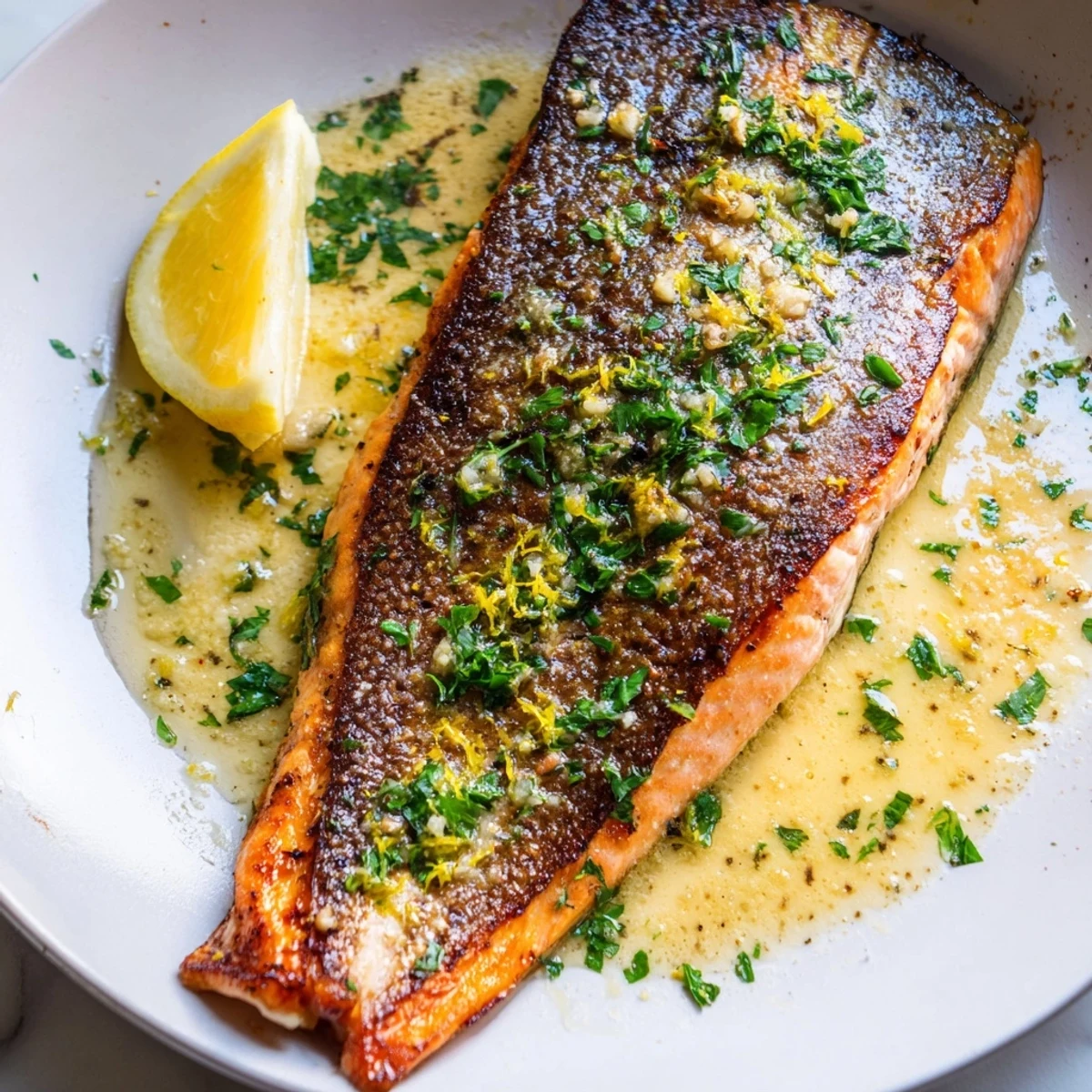
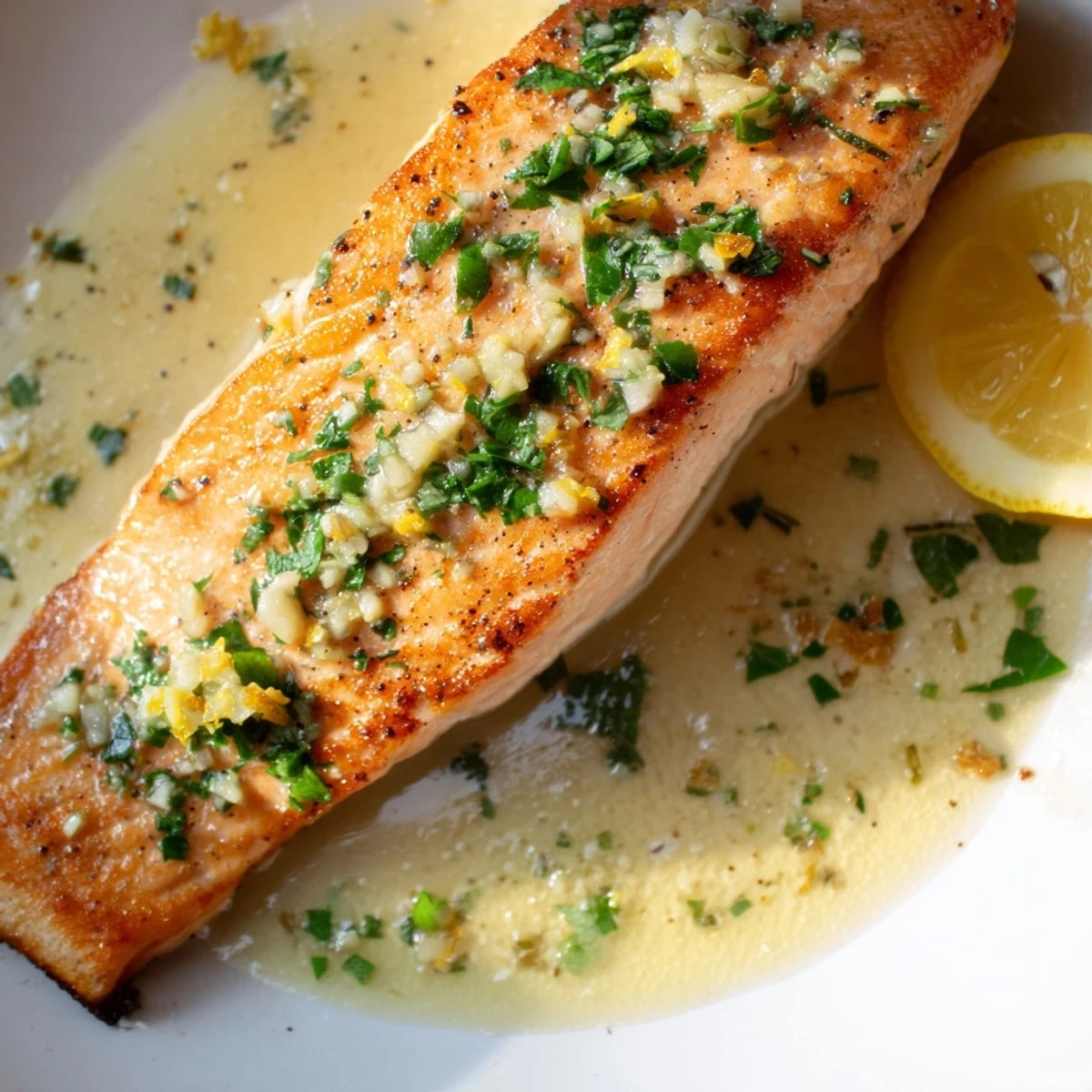
 Garlic butter salmon features tender, flaky fillets pan-seared to crispy-skinned perfection and bathed in a luscious garlic butter sauce. The combination of melted butter, minced garlic, fresh lemon juice, and parsley creates an irresistible flavor profile.
Ready in just 25 minutes from start to finish, this dish is equally suited for busy weeknights and special occasions. Naturally gluten-free and low in carbs, it pairs beautifully with steamed vegetables, rice, or roasted potatoes.
Using simple pantry staples like butter, garlic, lemon, and fresh herbs, you can create an elegant main course that tastes like it came from a fine dining restaurant.
My apartment smelled like a seaside bistro the Tuesday I decided salmon deserved better than a dry bake in the oven. The sizzle of butter hitting a hot skillet changed everything about how I cook fish at home. Now this garlic butter salmon lands on my table at least twice a month, and my dinner guests always assume I spent far longer than twenty five minutes on it.
One rainy Friday my neighbor knocked on my door to borrow an umbrella and ended up staying for dinner because she could not stop smelling the garlic butter through the hallway. We stood in my tiny kitchen eating salmon straight from the skillet with forks, no plates, no sides, just pure satisfaction.
Ingredients
- 4 salmon fillets, skin on, about 170 g each: Skin on fillets hold together beautifully and get that golden crunch you cannot replicate with skinless cuts.
- 4 tablespoons unsalted butter: Unalted butter lets you control the seasoning while still delivering that silky richness.
- 4 cloves garlic, minced: Fresh garlic is nonnegotiable here since the jarred stuff lacks the punch this sauce relies on.
- 1 tablespoon freshly squeezed lemon juice: Acidity cuts through the butter and balances every bite.
- 1 teaspoon lemon zest: The zest holds aromatic oils that juice alone cannot provide.
- 2 tablespoons chopped fresh parsley: Parsley adds color and a fresh, grassy note that brightens the whole pan.
- 1/2 teaspoon salt and 1/4 teaspoon black pepper: Simple seasonings that let the salmon and butter shine.
- Lemon wedges and extra parsley for garnish: A final squeeze at the table makes everything pop.
Instructions
- Dry and season the fish:
- Pat each salmon fillet thoroughly with paper towels, then season both sides with salt and pepper. Dry fish is the secret to a good sear, so do not rush this step.
- Get the pan hot:
- Set a large nonstick or cast iron skillet over medium high heat and drop in two tablespoons of butter. Wait until the butter melts and turns slightly foamy before adding anything.
- Sear skin side down:
- Lay the fillets in gently, skin side down, and let them cook undisturbed for four to five minutes. You want the skin to crisp up and turn golden while the flesh cooks almost all the way through.
- Flip and baste:
- Carefully flip each fillet, then add the remaining butter and minced garlic to the pan. Spoon the foaming garlic butter over the fish repeatedly for two to three minutes until it smells incredible.
- Finish with lemon:
- Pour in the lemon juice and scatter the zest across the pan, giving everything a gentle swirl to blend. Pull the skillet off the heat and shower the chopped parsley on top.
- Serve right away:
- Transfer the salmon to plates, spoon the pan sauce over each portion, and offer lemon wedges alongside. This dish waits for no one, so gather everyone before you plate.
 Pin it
 The first time I served this to my mother she closed her eyes after the first bite and told me it reminded her of a tiny restaurant in Lisbon she visited decades ago. That reaction meant more to me than any cooking compliment I have ever received.
Picking the Right Skillet
Cast iron holds heat beautifully and gives an even deeper crust on the skin, but a good nonstick pan works wonderfully if you are worried about sticking. Either way, make sure the skillet is large enough to fit all four fillets without crowding, because overlapping fish steams instead of searing.
Checking for Doneness
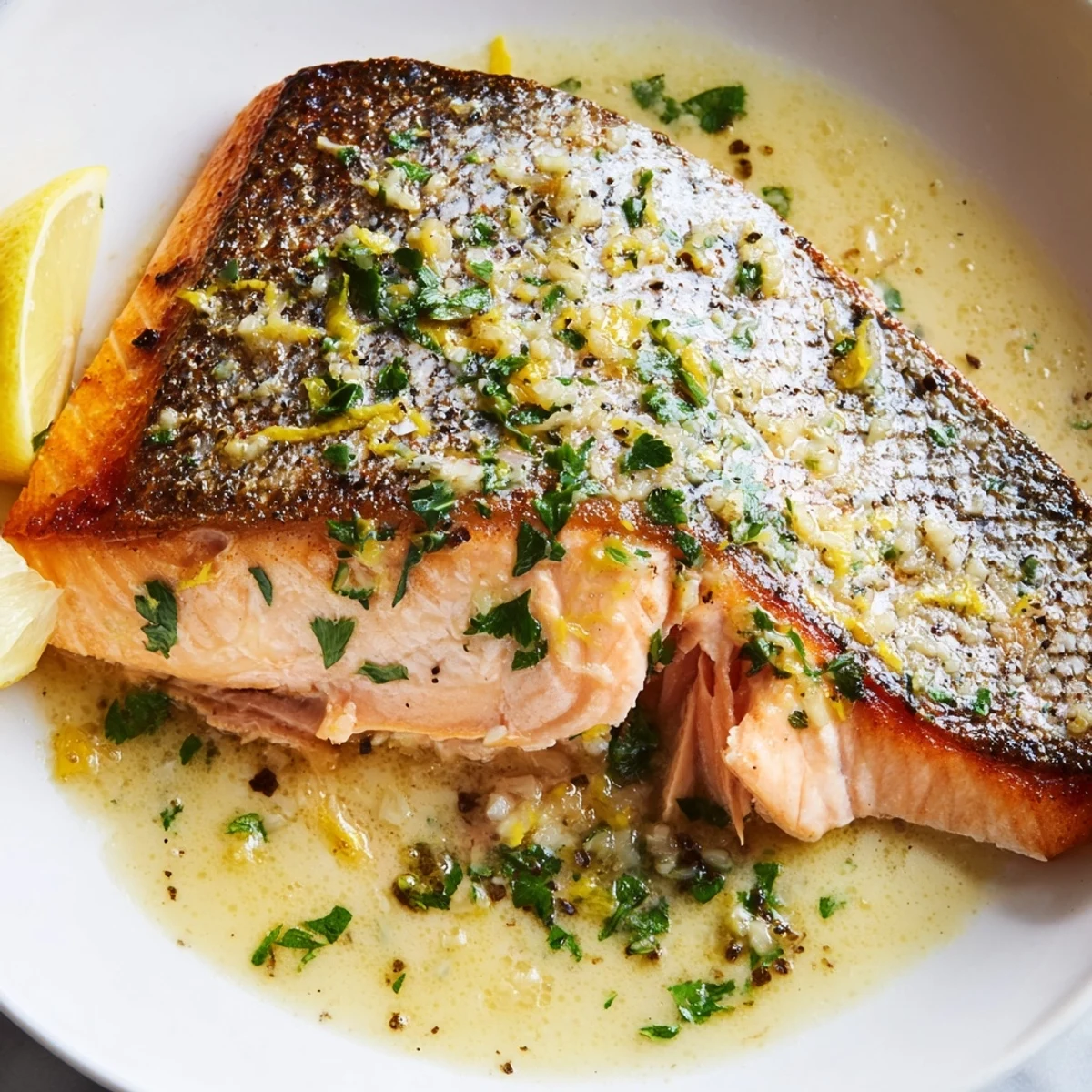
Salmon is ready when it flakes easily with a fork and the thickest part reaches about 52 to 57 degrees Celsius for a moist, slightly translucent center. Overcooked salmon turns dry and chalky fast, so it is always better to pull it a touch early since carryover heat finishes the job.
Ways to Switch It Up
A splash of white wine added with the lemon juice turns the butter into a proper pan sauce that feels a bit more indulgent. You can also swap the parsley for fresh dill or chives depending on what is wilting in your crisper drawer.
- Try serving this over steamed rice, roasted baby potatoes, or a pile of sauteed green beans.
- A pinch of red pepper flakes in the butter adds gentle heat without overpowering the garlic.
- Leftover salmon flakes beautifully into a next day salad or wraps.
 Pin it
 Some recipes become staples because they fit into real life without fuss, and this garlic butter salmon earns its spot every single time. Keep butter, lemons, and garlic on hand and dinner is never more than twenty minutes away.
Recipe Q&A
- → How do I know when salmon is fully cooked?
-
Salmon is done when it flakes easily with a fork and reaches an internal temperature of 63°C (145°F). The flesh should turn from translucent to opaque pink. Avoid overcooking, as salmon continues cooking slightly after removing it from heat.
- → Should I remove the salmon skin before cooking?
-
Cooking salmon skin-side down first helps the skin crisp up beautifully and holds the fillet together. You can remove the skin after cooking if preferred, or serve it crispy skin-side up for the best texture contrast.
- → Can I use frozen salmon fillets?
-
Yes, but thaw them completely in the refrigerator overnight before cooking. Pat the fillets thoroughly dry with paper towels to ensure proper searing and crispy skin. Avoid cooking from frozen, as this leads to uneven doneness.
- → What can I substitute for butter in this dish?
-
For a dairy-free version, use plant-based butter or olive oil. Ghee is another excellent option that adds a nutty richness. Keep in mind that the sauce texture and flavor will vary slightly depending on your chosen substitute.
- → How should I store and reheat leftovers?
-
Store leftover salmon in an airtight container in the refrigerator for up to 2 days. Reheat gently in a skillet over low heat to avoid drying out the fish, or enjoy cold flaked over a salad. Microwave reheating is not recommended as it can make the fish tough.
- → What side dishes pair well with garlic butter salmon?
-
Steamed asparagus, roasted broccoli, or green beans complement the rich garlic butter beautifully. For heartier options, serve alongside jasmine rice, quinoa, or crispy roasted potatoes. A simple mixed greens salad with lemon vinaigrette also works wonderfully.