
 Pin it
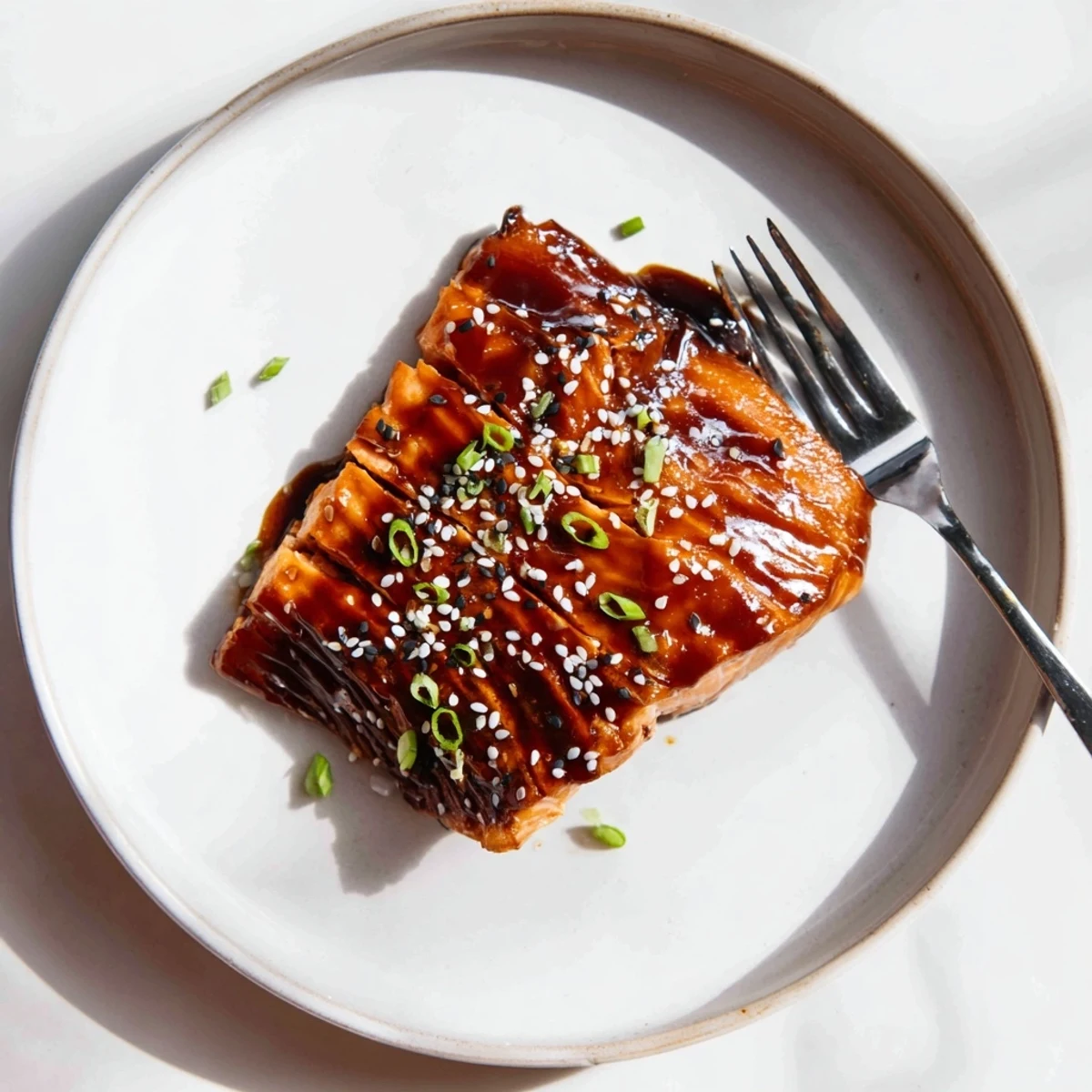
 This gluten-free teriyaki salmon yields tender, oven-roasted fillets in about 25 minutes. Whisk tamari, maple syrup, rice vinegar, sesame oil, garlic and grated ginger, thicken with cornstarch, brush over skin-on fillets and bake at 200°C (400°F) until just flaky. Finish with sesame seeds and sliced spring onions. Serve with steamed rice or sautéed greens; marinate briefly for deeper flavor.
The smell of teriyaki sauce reducing on the stove is enough to make anyone lingering near the kitchen lose all patience for dinner. My apartment filled with it one rainy Tuesday when I had nothing planned and a pack of salmon staring back at me from the fridge. I threw together a glaze with whatever bottles I could find, and by the time the fish came out of the oven, my roommate had already set the table without being asked.
I have since made this for friends who claim they cannot cook, and every single one texts me afterward asking for the recipe.
Ingredients
- 4 salmon fillets (about 170 g each), skin on: Skin on fillets hold together better during baking and crisp up underneath if you give them a hot start.
- 60 ml tamari or gluten free soy sauce: Tamari has a rounder, slightly deeper flavor than regular soy sauce and keeps this entirely gluten free.
- 2 tbsp pure maple syrup: Maple adds a gentle complexity that regular sugar cannot match, and it helps the glaze caramelize beautifully in the oven.
- 2 tbsp rice vinegar: A bright acidity that balances the sweetness and keeps the sauce from feeling heavy.
- 1 tbsp sesame oil: Just a small amount gives the entire dish its signature toasty, nutty backbone.
- 2 garlic cloves, minced: Fresh garlic makes a noticeable difference here since the sauce cooks so briefly.
- 2 tsp fresh ginger, grated: Grate it finely so it melts into the sauce rather than leaving chewy bits behind.
- 2 tsp cornstarch plus 2 tbsp water: This simple slurry transforms a thin liquid into a glossy glaze that clings to every bite.
- 1 tbsp sesame seeds: Toasted if you have the extra minute, they add a finishing crunch that elevates the whole plate.
- 2 spring onions, sliced thin: Their sharp freshness cuts through the richness of the salmon right at the end.
Instructions
- Heat the oven:
- Set your oven to 200 degrees Celsius (400 degrees Fahrenheit) and line a baking sheet with parchment paper so cleanup is effortless later.
- Build the sauce:
- Whisk tamari, maple syrup, rice vinegar, sesame oil, garlic, and ginger together in a small saucepan over medium heat until you see the first gentle bubbles around the edges.
- Thicken the glaze:
- Dissolve cornstarch in water in a small bowl, stir it into the warm sauce, and let it bubble for two to three minutes until it coats the back of a spoon like syrup.
- Glaze the salmon:
- Arrange the fillets skin side down on your prepared sheet and brush them generously, saving a little sauce for a second coat after baking.
- Bake until just right:
- Slide the tray into the oven for twelve to fifteen minutes, checking at the twelve minute mark because salmon goes from perfect to overdone quickly.
- Finish and serve:
- Pull the fish out, brush with any remaining sauce, and scatter sesame seeds and spring onions over the top while the salmon is still steaming hot.
 Pin it
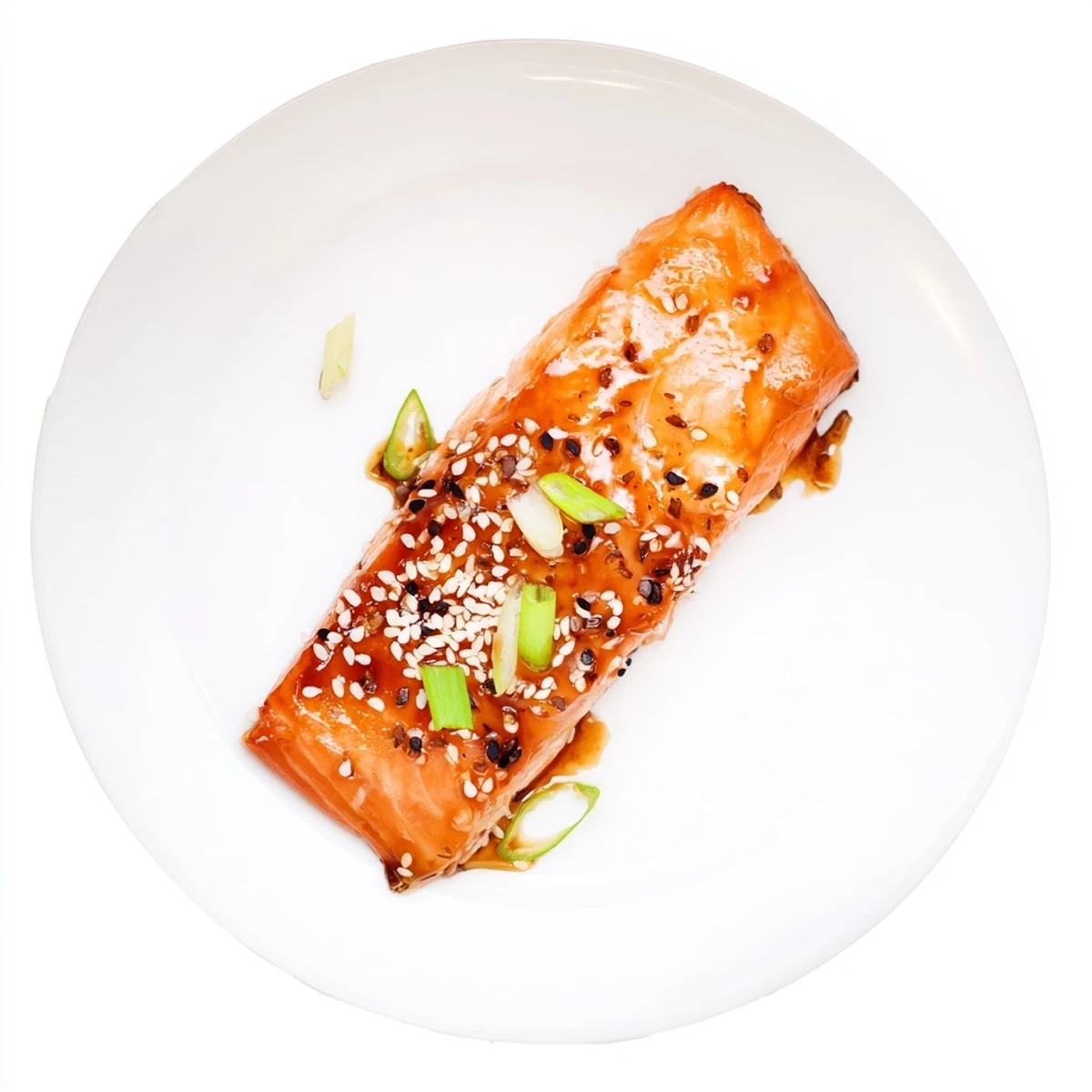
 There is something quietly triumphant about pulling a sheet pan of glossy, caramelized salmon from the oven when the rest of the evening has been chaotic.
What to Serve Alongside
Steamed jasmine rice is the obvious companion, soaking up every drop of extra sauce, but a quick cucumber salad with rice vinegar and a pinch of sugar brings a cool crunch that the dish craves.
Handling Leftovers
Any leftover salmon flakes beautifully over a bowl of rice the next day, or you can tuck it into lettuce wraps with a drizzle of any sauce you managed to save.
Quick Weeknight Strategy
Get the sauce going first and let it thicken while you preheat the oven and line your pan. Everything moves fast from there.
- Keep a small bowl of extra sauce on the table for drizzling because people always want more.
- Double the sauce recipe if you are serving rice, since you will want plenty to spoon over everything.
- Do not skip the spring onions on top because their brightness ties the whole dish together.
 Pin it
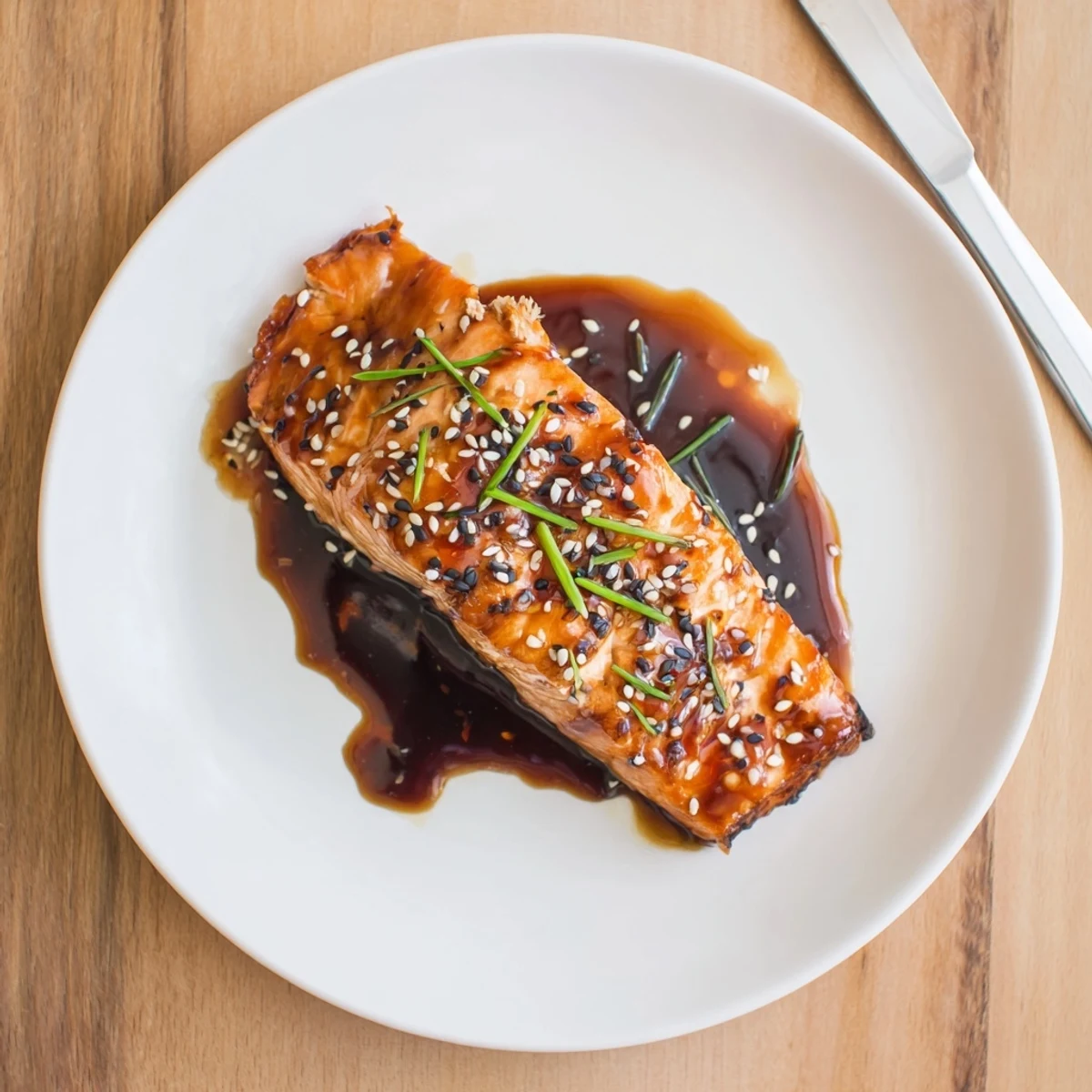
 This is the kind of recipe that earns a permanent spot in your rotation simply because it never lets you down. Keep a few salmon fillets in the freezer and you are never more than half an hour away from a dinner that feels special.
Recipe Q&A
- → Can I use fresh ginger or powdered ginger?
-
Fresh grated ginger gives brighter, more aromatic flavor and a slight bite. Powder works in a pinch but reduce quantity and taste as you go to avoid overpowering the glaze.
- → How do I know when the salmon is done?
-
Salmon is ready when it flakes easily with a fork and the center is just opaque. Bake 12–15 minutes at 200°C (400°F) for 6 oz fillets, adjusting time for thickness.
- → Can I make the sauce ahead of time?
-
Yes. The teriyaki-style glaze can be made and chilled up to 48 hours. Reheat gently and whisk before brushing; if it thickens in the fridge, stir in a little water to loosen.
- → Which soy alternative is best for gluten-free cooking?
-
Use tamari labeled gluten-free or a verified gluten-free soy sauce. Always check labels, as some tamari and soy sauces may contain wheat.
- → Can I broil instead of bake?
-
Broiling gives a caramelized finish quickly—watch closely and broil 3–5 minutes after glazing to avoid burning. Keep the rack a safe distance to ensure even cooking.
- → What side dishes pair well with this salmon?
-
Steamed rice, garlic sautéed greens, roasted vegetables, or a crisp cucumber salad complement the sweet-savory glaze and keep the meal balanced.