
 Pin it
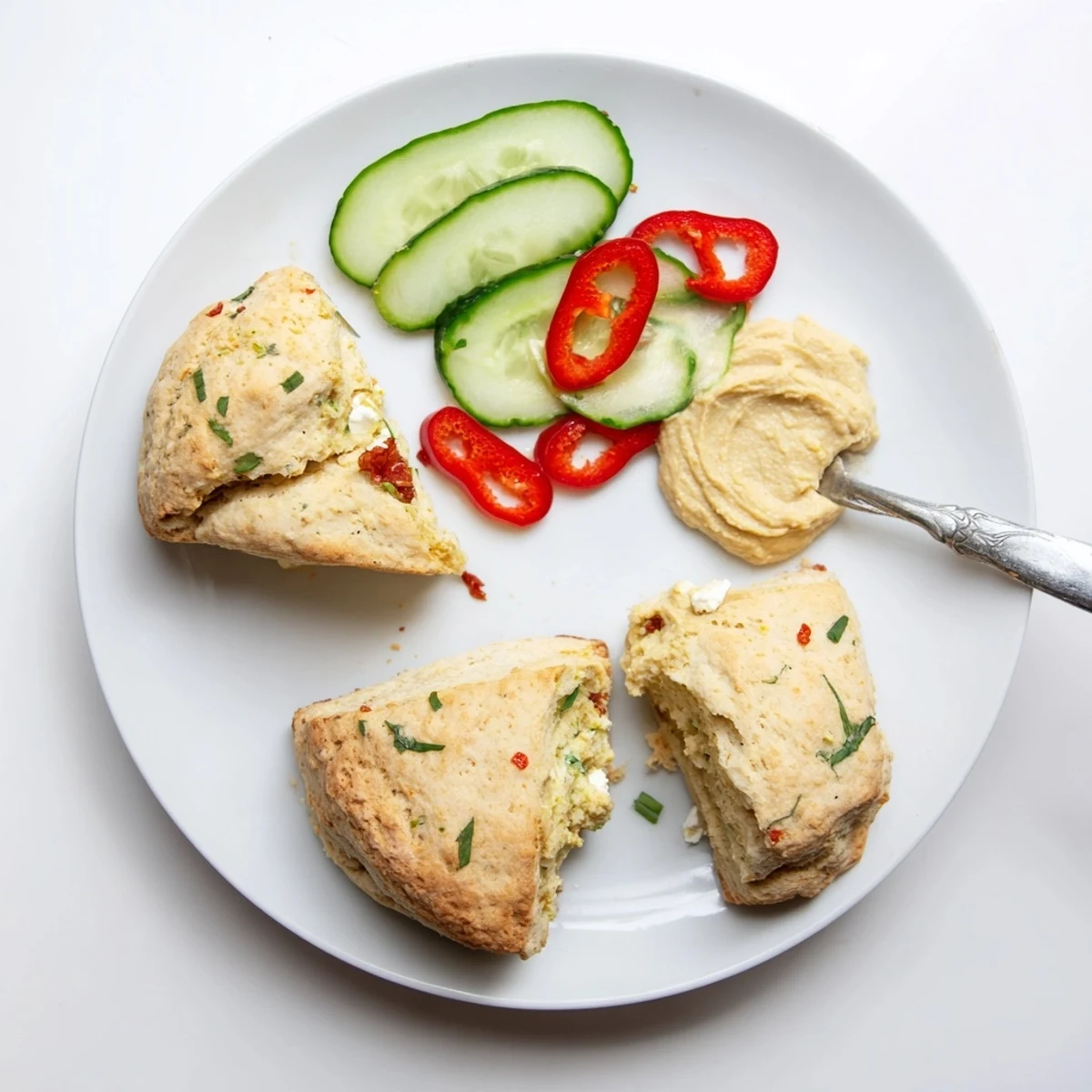
 These humous scones combine all-purpose flour, cold butter, baking powder and creamy hummus for tender, savory rounds. Rub the butter into the dry mix, stir in hummus, milk and an egg until just combined, fold in herbs or feta, pat to 1 in thickness, cut rounds and bake 18–20 minutes until lightly golden. Serve warm with dips, salad or roasted vegetables.
My friend Sarah brought a tub of hummus to a picnic once and forgot to open it, so it sat in my fridge for three days staring at me every time I reached for the butter. On a rainy Thursday with nothing planned for lunch, I dumped it into a scone dough on a whim, and what came out of the oven was something I genuinely did not expect. They were golden, pillowy, and had this quiet savoury depth that made me eat two standing at the counter before they had properly cooled.
I made a batch for my neighbour when her boiler broke and she was camped in her kitchen wrapped in a duvet waiting for the repair man. She sent me a text later that simply read those things are dangerous, which I chose to take as a compliment.
Ingredients
- 250 g all-purpose flour: Plain flour gives you that tender crumb, and you really do not need anything fancy here.
- 2 tsp baking powder: Fresh baking powder is non negotiable because if it has been sitting in your cupboard for a year these will stay flat.
- Half tsp salt: Salt wakes up every other flavour in the scone, so do not be tempted to skip it.
- Quarter tsp ground cumin (optional): A whisper of cumin ties the dough to the hummus beautifully and makes people ask what that lovely flavour is.
- 60 g unsalted butter, cold and cubed: Cold butter creates steam pockets as it bakes, and that is what gives you the flaky layers.
- 125 g plain hummus: This is the star, so use a hummus you actually enjoy eating on its own.
- 80 ml milk (or non-dairy alternative): You may need a splash more or less depending on your flour, so go by feel rather than exact measurement.
- 1 large egg: The egg adds richness and helps bind everything together without making the dough heavy.
- 2 tbsp chopped fresh parsley or chives (optional): Fresh herbs scattered through the dough look like little green confetti and add a brightness that balances the earthy hummus.
- 50 g crumbled feta cheese or vegan alternative (optional): Salty little pockets of feta turn an already good scone into something people will absolutely remember.
Instructions
- Get the oven ready:
- Preheat your oven to 200 degrees C (400 degrees F) and line a baking sheet with parchment paper so nothing sticks.
- Build the dry base:
- In a large bowl, whisk together the flour, baking powder, salt, and cumin if you are using it, until evenly blended.
- Rub in the butter:
- Toss in the cold cubed butter and rub it between your fingertips until the mixture looks like coarse sand with a few larger flakes remaining.
- Bring in the wet ingredients:
- Pour in the hummus, milk, and egg, then stir gently with a wooden spoon just until the dough starts to come together.
- Add the extras:
- Fold in the herbs and feta with a few light turns, being careful not to overwork the dough or it will toughen.
- Shape and cut:
- Turn the dough onto a lightly floured surface, pat it into a round about 2.5 cm thick, and cut out scones with a 6 cm cutter, pressing straight down without twisting.
- Bake until golden:
- Arrange the scones on your prepared sheet and bake for 18 to 20 minutes until they have puffed up and the tops are lightly golden.
- Cool and serve:
- Let them rest on the tray for five minutes, then serve warm with extra hummus or simply split open with nothing at all.
 Pin it
 The thing I love most about these scones is that they feel like a little act of resourcefulness, turning something already in the fridge into warm bread that makes a kitchen smell incredible.
What to Serve Them With
A bowl of roasted tomato soup and one of these scones on the side is the kind of lunch that makes you put down your phone and actually taste what you are eating. They also split beautifully for a light breakfast with cream cheese and a few slices of cucumber.
Making Them Your Own
Once you have the base dough sorted, you can fold in almost anything you like. I have tried sun-dried tomatoes, chopped olives, and even a handful of grated cheddar, and they all work as long as you keep the add-ins to roughly 50 grams so the dough does not fall apart.
Storing and Freezing
These are best eaten on the day they are baked, but any leftovers will keep in an airtight container for two days and revive nicely with a quick warm through in the oven. For freezing, arrange the unbaked cut scones on a tray, freeze until solid, then transfer to a bag and bake from frozen with an extra three to four minutes added on.
- Label the frozen bag with the oven temperature and bake time so you do not have to look it up later.
- A light brush of milk on top before baking gives a nicer colour but is entirely optional.
- Always check store-bought hummus labels if you are cooking for someone with allergies because sesame can hide in unexpected places.
 Pin it
 Keep a batch of these in your freezer and you are never more than twenty-five minutes away from something warm, savoury, and entirely satisfying.
Recipe Q&A
- → Can I make these without dairy or eggs?
-
Yes. Use plant-based butter, a non-dairy milk and omit the egg; add a tablespoon or two more milk if the dough seems too dry to help bind the scones.
- → How do I keep the scones light and flaky?
-
Keep the butter very cold and rub it into the flour briefly so the mixture stays in coarse crumbs. Mix wet ingredients just until combined and avoid overworking the dough.
- → What hummus works best?
-
Plain or lemon-garlic hummus provides a mild, creamy base. Roasted red pepper or herb varieties add extra flavor but may change moisture—adjust milk slightly if needed.
- → Can I add cheese or herbs?
-
Yes. Fold in chopped parsley, chives or 50 g crumbled feta for a savory note. Make additions sparingly so the dough holds together and bakes evenly.
- → How should I store and reheat leftovers?
-
Keep cooled scones in an airtight container at room temperature for 1–2 days, or freeze for up to 1 month. Rewarm in a low oven or toaster oven until heated through to restore exterior crispness.
- → Can I freeze the dough or bake in advance?
-
You can freeze shaped rounds on a tray, then transfer to a bag. Bake from frozen adding a few extra minutes, or thaw in the fridge before baking for even cooking.